Helping people affected by displacement rebuild safe, dignified and self-reliant lives.
Since April 2023, conflict has driven one of the largest displacement crises in the world. More people are now returning, but millions remain displaced. Durable solutions help them rebuild safe and self-reliant lives, whether they return home, integrate where they are, or settle elsewhere in Sudan.
The latest figures on displacement and returns across Sudan.
Sources: IOM Displacement Tracking Matrix (DTM), Sudan Displacement and Return Snapshot 10, 18 October 2026 (IDP data as of 29 September 2026, returnee data as of 30 September 2026, cross-border data as of 17 September 2026), dtm.iom.int/sudan. UNHCR Sudan, Overview of Refugees and Asylum-seekers in Sudan, as of 30 September 2026, data.unhcr.org. All figures are estimates and will be updated as new data are published. Icons: OCHA Humanitarian Icons.
“A durable solution is achieved when internally displaced persons no longer have any specific assistance and protection needs that are linked to their displacement and can enjoy their human rights without discrimination on account of their displacement.”IASC Framework on Durable Solutions for Internally Displaced Persons, 2010
Achieving a durable solution is a gradual process. It is not only about where people live, but whether they can live in safety, earn an income, access services and take part in community life on an equal footing with their neighbours.
The choice of pathway belongs to displaced people themselves. It should be voluntary, informed, and made in safety and dignity.
How do we know whether displaced people have found a lasting solution? The IASC Framework sets out eight criteria. Together, they help partners in Sudan plan their support and measure progress.
Women, children and persons with disabilities across Sudan are rebuilding their lives. These published stories show what support for lasting solutions looks like on the ground.
No stories match this filter yet.
Stories are written and published by the organizations named, and the links open the original articles. Photos are reproduced from those articles, with credit.
The Durable Solutions Unit (DSU) is hosted by the United Nations Resident Coordinator’s Office in Sudan and supports coordination at national and state level.
 NDSWG
Sets the national direction and brings partners together.
 ADSWGs
Turn national direction into local action in Aj Jazirah, Blue Nile, Gedaref, Kassala and White Nile.
 DSU
Secretariat to both groups, with data, analysis and field missions.
Reference documents, tools and products for partners working on durable solutions in Sudan. Documents not yet published online are available from the secretariat.
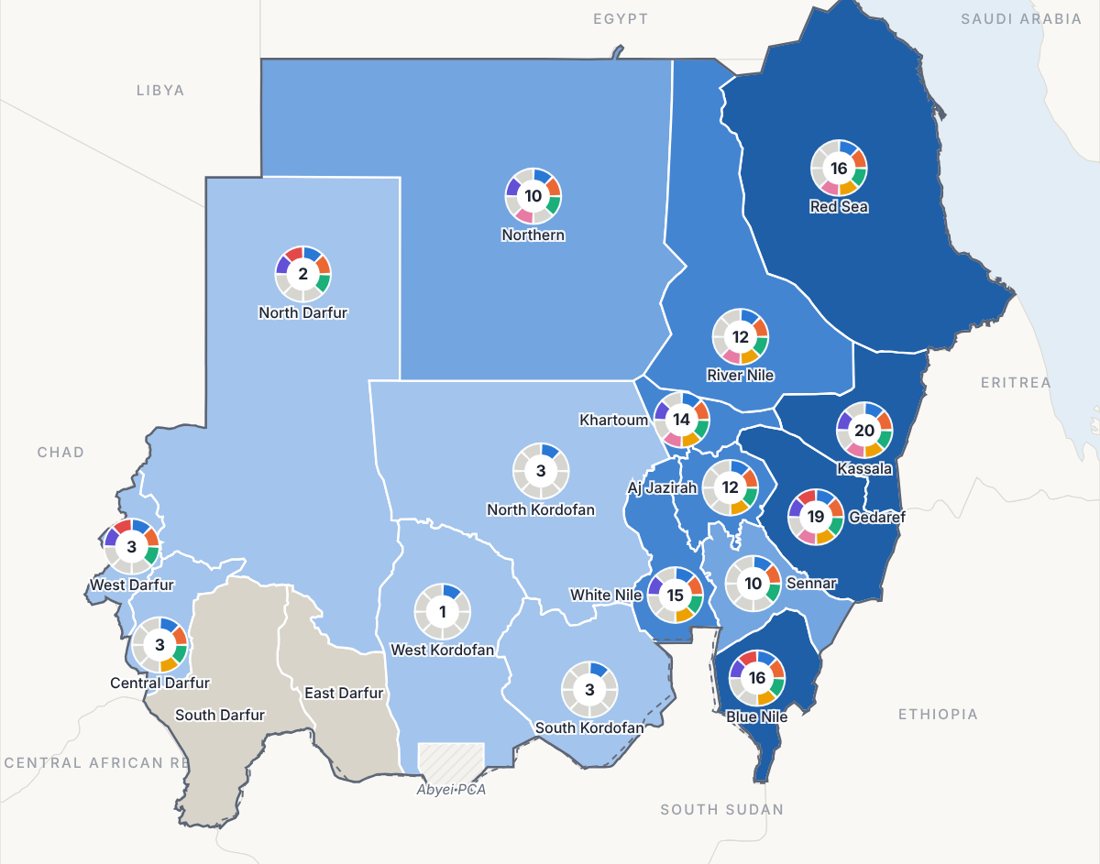
Find out who is doing what, and where, to help people affected by displacement move toward lasting solutions. The dashboard maps projects that build self-reliance, such as boreholes instead of water trucking, or seed distribution instead of food distribution.
Open the projects mapOrganizations working on durable solutions in Sudan are welcome to contact the secretariat to learn more about the working groups or to share their work.
Email: dswg.sd@undp.org
 Go to top